When it’s a metaphor.
We all know a good one when we see it. Something that evokes a feeling or a sensation without a drawn-out description. We also know a bad one when we read it. Something that pulls us out of the moment and away from the character. Some novels are overloaded with them, as if the author is worried that the reader lacks imagination so has to concentrate on every detail. In others, the metaphoric landscape is a veritable tundra (see what I did there?).
But what is a metaphor?
Well to start with it’s not a simile. A metaphor is an implied connection created in the reader’s mind whereas a simile is a direct comparison.
As an example – ‘it had a mirror-shine’ (metaphor) vs. ‘it shined like a mirror’ (simile).
One allows the reader to determine, based on their own experience what a mirror-shine might be, the other – that this is like a mirror and, assuming the reader has seen a mirror, quantifies your understanding immediately. Both have a place in the story if they have earned it.
When should you use them? Hmm…tricky.
Consider the phrase ‘she let out a banshee-scream’. Is this really better than ‘she let out a scream that carried terror through the night‘? Given that I have never actually heard a banshee, is this something I can really relate to or is the author assuming a certain level of knowledge or intertextuality based on a different description elsewhere.
Is it lazy description or does it add to the overall gothic feel for the piece? If it is indeed gothic and about ghosts! Otherwise, does it detract from the narrative providing a short-cut to somewhere unwanted? Only the author will know.
A carefully placed metaphor can seem almost incidental but, much like the spliced scenes in Fight Club, creates an instant visual transforming the prose. Kate Atkinson’s Life after Life includes ‘The blonde lit a cigarette, making a phallic performance out of it. – where the addition of a single word shifts the reader’s perception of the actress immediately. Take out the word ‘phallic’ and this becomes an entirely different sentence. This metaphor has earned its place.
Who knew there were different types?
Apart from the millions of writers out there of course.
- You have the standard metaphor where one idea is used in place of another creating a direct link in the reader’s mind. ‘Jack is the most reliable, grounded and trustworthy person I know’ becomes ‘Jack is my rock.’
- Then there is the implied metaphor which uses word associated with your desired description. ‘Ellie’s response was sharp and vicious’ transforms into ‘Ellie snarled at him.’
- You also have visual metaphors – wear this perfume and you will be carefree and sexy; drive this car and you will go on lots of adventures even though you may be a parent on the school run stuck in traffic.
They are everywhere and help us interpret the world in ways that have already been defined but often through a new and surprising lens.
So, what have I learnt this week?
Good metaphors create a connection between the reader and author, drawing on shared experiences and building a shared interpretation. They allow the author to wander through the imagination of the reader, finding a unique path through the story. We have a shared understanding of how it would feel to be ‘a half-rinsed mug against his porcelain perfection’ as long as it’s in context. Too much however, it not a good thing.
Bad metaphors (‘She was a couch potato in the gravy boat of life, flopping dejectedly on the sofa.’) have the reader questioning the sanity of the author, leaving them stranded and struggling to find meaning in the words.
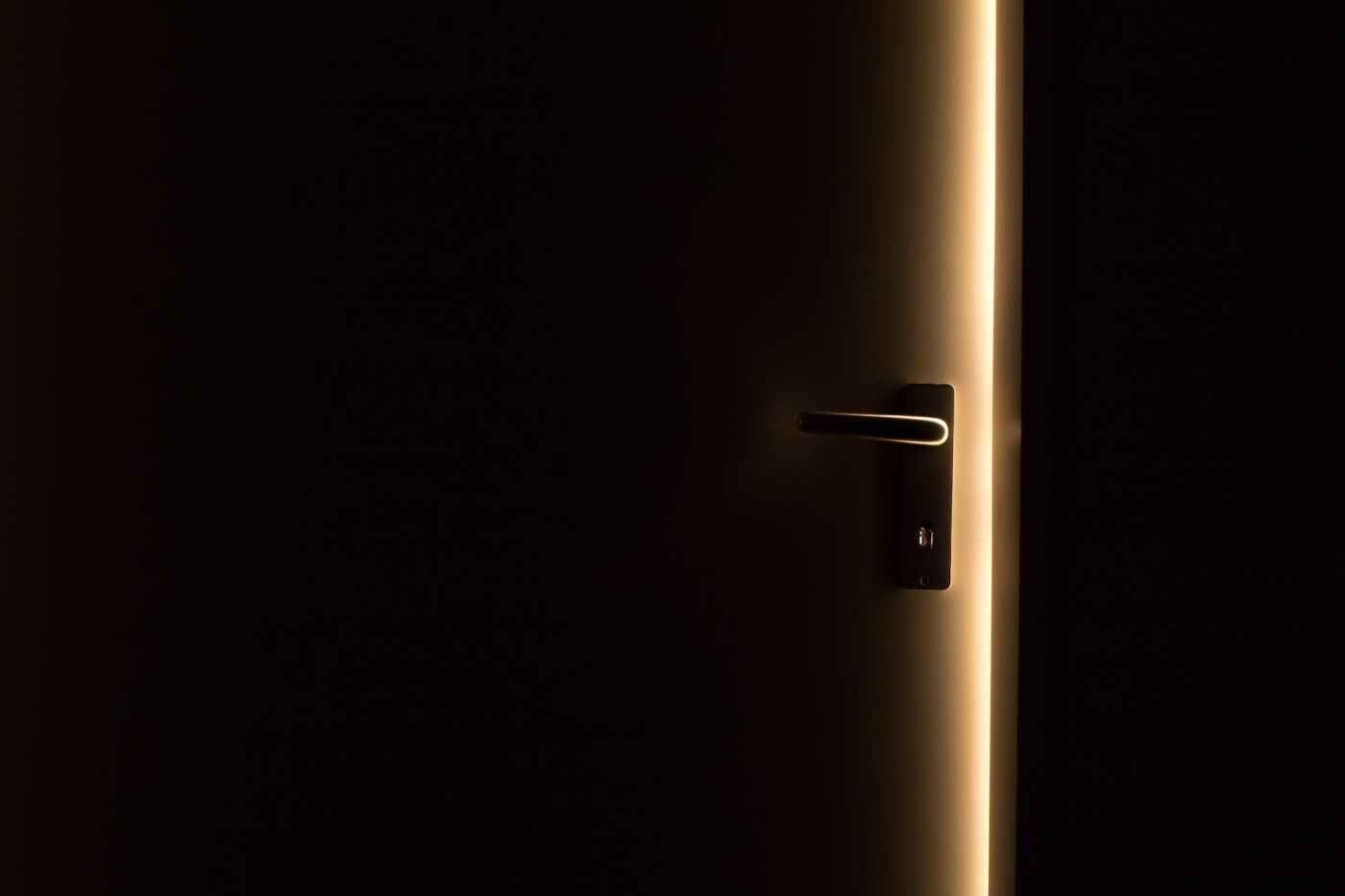
Oh and also, 9 times out of 10, if the story contains a door, it’s a metaphor.
 The Curious Wordsmith
Leave a comment